Profile Cutting Machines Explained: CNC, Plasma, Laser, and Industrial Uses
What Is Profile Cutting?
Profile cutting refers to the process of cutting a material into a predefined shape using automated or semi-automated systems. The shapes are typically designed using CAD software and executed by CNC-controlled machines.
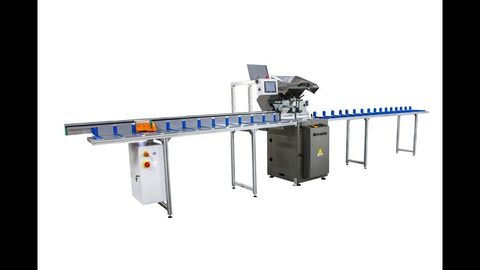
These machines can cut flat sheets, pipes, tubes, and even 3D structures depending on their configuration. Profile cutting is commonly used to produce parts like brackets, flanges, frames, and structural components.
How Profile Cutting Machines Work
Although different technologies are used, the basic working process is similar:
1. Design Creation
A digital design is created using CAD software.
2. CNC Programming
The design is converted into machine instructions (G-code).
3. Automated Cutting
The machine follows the programmed path using a cutting tool such as a plasma torch or laser beam.
4. Material Removal
Material is removed through:
- Melting (plasma or laser)
- Oxidation (oxy-fuel cutting)
CNC control ensures high repeatability and precision, allowing complex shapes to be cut consistently.
Types of Profile Cutting Machines
Profile cutting machines are categorized based on the cutting technology used.
1. CNC Plasma Profile Cutting Machines
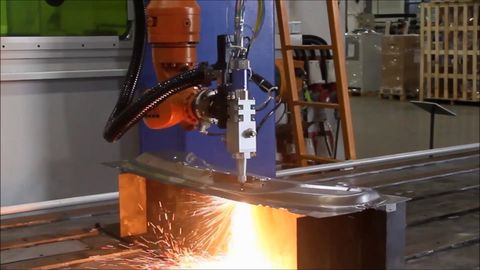
Plasma cutting uses a high-temperature ionized gas (plasma) to cut electrically conductive materials such as steel, aluminum, and copper.
Key Characteristics:
- High cutting speed
- Suitable for medium to thick metals
- Widely used in fabrication industries
Plasma cutting can reach temperatures up to 20,000–30,000°C, enabling fast and efficient cutting.
2. Laser Profile Cutting Machines
Laser cutting uses a focused beam of light to melt or vaporize material.
Key Characteristics:
- Extremely high precision
- Clean edges with minimal finishing
- Ideal for thin to medium materials
Laser systems are commonly used where accuracy and surface quality are critical.
3. Oxy-Fuel (Flame) Profile Cutting Machines
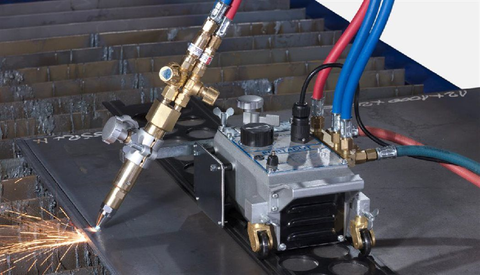
Oxy-fuel cutting uses oxygen and fuel gas to cut metals through oxidation.
Key Characteristics:
- Best for thick carbon steel
- Lower equipment cost
- Suitable for heavy industrial applications
4. CNC Profile Cutting Machines (Multi-Process)
Modern CNC machines can combine multiple technologies such as:
- Plasma + oxy-fuel
- Laser + plasma
This allows flexibility for handling different materials and thickness ranges.
5. Specialized Profile Cutting Machines
Pipe and Tube Profile Cutting Machines
Designed for cutting cylindrical materials used in pipelines and structural applications.
Foam Profile Cutting Machines
Used in packaging, insulation, and product design.
Wood and Non-Metal Cutting Systems
Used in furniture manufacturing and construction.
Benefits of Profile Cutting Machines
1. High Precision and Repeatability
CNC systems ensure consistent results across multiple production cycles.
2. Versatility
Different materials and shapes can be processed using various cutting methods.
3. Increased Productivity
Automation reduces manual labor and increases throughput.
4. Reduced Material Waste
Accurate cutting improves material utilization.
5. Scalability
Suitable for both small workshops and large industrial operations.
Limitations and Challenges
1. High Initial Investment
Advanced systems, especially laser machines, require significant capital.
2. Maintenance Needs
Consumables like electrodes and nozzles must be replaced regularly.
3. Material Restrictions
Some methods are limited to specific materials (e.g., plasma requires conductive metals).
4. Heat-Affected Zones
Thermal cutting processes may alter material properties.
5. Operator Skill Requirements
CNC programming and machine handling require trained personnel.
Comparison of Profile Cutting Technologies
| Feature | Plasma Cutting | Laser Cutting | Oxy-Fuel Cutting |
|---|---|---|---|
| Material Type | Conductive metals | Metals & non-metals | Carbon steel only |
| Precision | Medium–High | Very High | Medium |
| Cutting Speed | High | High | Low–Medium |
| Thickness Capability | Medium–High | Low–Medium | Very High |
| Cost | Moderate | High | Low |
| Heat Impact | Medium | Low | High |
Industrial Applications
Profile cutting machines are widely used in:
1. Metal Fabrication
Cutting plates, brackets, and structural components.
2. Construction Industry
Processing steel beams and frameworks.
3. Automotive Manufacturing
Producing chassis parts and panels.
4. Aerospace Industry
Manufacturing precision components.
5. Packaging and Foam Industry
Creating custom shapes for protective packaging.
6. Maintenance and Repair Work
Portable systems are used for on-site cutting and modifications.
Latest Trends and Innovations
1. Advanced CNC Automation
Integration with CAD/CAM software improves accuracy and reduces manual intervention.
2. Multi-Axis Cutting Systems
3D cutting capabilities allow complex geometries and bevel cuts.
3. Hybrid Cutting Technologies
Combining plasma, laser, and flame cutting in a single machine.
4. Smart Monitoring Systems
Real-time diagnostics and predictive maintenance improve efficiency.
5. Energy Efficiency Improvements
Modern machines optimize power and gas usage to reduce operating costs.
Key Features to Consider
Performance Factors
- Cutting speed
- Accuracy and tolerance
- Material compatibility
Machine Design
- Table size
- Number of axes
- CNC system quality
Operational Considerations
- Energy consumption
- Gas requirements
- Ease of operation
Safety Features
- Ventilation systems
- Emergency stop mechanisms
- Protective enclosures
Checklist for Evaluating Profile Cutting Machines
- What materials will be processed?
- What thickness range is required?
- Is CNC automation necessary?
- What is the production volume?
- How much space is available?
- What is the available budget?
- Are skilled operators available?
Common Companies and Solutions
Several global companies provide profile cutting systems:
- Lincoln Electric (automation and cutting systems)
- ESAB (thermal cutting solutions)
- Hypertherm (plasma cutting technologies)
- Bystronic (laser cutting systems)
- Messer Cutting Systems (oxy-fuel and CNC solutions)
These companies offer a range of solutions, from basic machines to advanced automated systems for industrial applications.
How to Choose the Right Profile Cutting Machine
1. Based on Material Type
- Metals: Plasma or laser
- Thick steel: Oxy-fuel
- Non-metals: Specialized cutting systems
2. Based on Precision Requirements
- High precision: Laser
- Medium precision: Plasma
- Basic cutting: Oxy-fuel
3. Based on Budget
- Low budget: Oxy-fuel
- Medium budget: Plasma
- High budget: Laser
4. Based on Production Volume
- Low volume: Basic CNC systems
- High volume: Fully automated systems
5. Based on Flexibility
- Multi-purpose use: Hybrid machines
- Specific tasks: Dedicated machines
Tips for Best Use and Maintenance
1. Regular Equipment Inspection
Check cutting heads, nozzles, and motion systems.
2. Optimize Cutting Parameters
Adjust speed, gas flow, and temperature for better performance.
3. Keep Machines Clean
Remove dust and debris to maintain efficiency.
4. Monitor Consumables
Replace worn components to ensure quality cuts.
5. Train Operators
Proper training improves safety and productivity.
Frequently Asked Questions
1. What is profile cutting used for?
It is used to create complex shapes and components in industries like manufacturing, construction, and automotive.
2. Which cutting method is most precise?
Laser cutting offers the highest precision.
3. Can one machine handle multiple materials?
Yes, especially hybrid CNC systems, depending on configuration.
4. Is CNC necessary for profile cutting?
Not mandatory, but it significantly improves accuracy and repeatability.
5. What industries use profile cutting machines the most?
Metal fabrication, automotive, aerospace, construction, and manufacturing.
6. How can operating costs be reduced?
By optimizing cutting parameters, maintaining equipment, and selecting the right technology.
Conclusion
Profile cutting machines have become a cornerstone of modern manufacturing, enabling precise and efficient shaping of materials across a wide range of industries. Technologies such as CNC, plasma, laser, and oxy-fuel cutting offer different advantages depending on the application.
While laser systems provide unmatched precision, plasma offers speed and versatility, and oxy-fuel remains a cost-effective solution for thick materials. The right choice depends on factors such as material type, thickness, budget, and production requirements.
As automation and smart technologies continue to evolve, profile cutting systems are becoming more efficient, adaptable, and accessible. Understanding these technologies helps users make informed decisions and improve productivity in industrial operations.