Broaching Machines Explained: Types, Working Principles, and Applications
What Is a Broaching Machine?
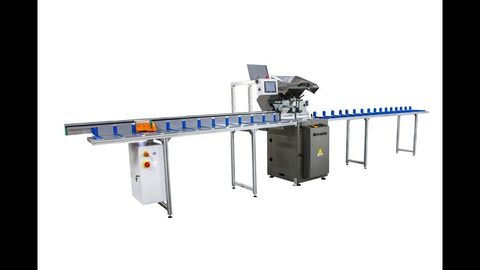
A broaching machine is a type of machine tool that uses a multi-toothed cutting tool to remove material from a workpiece. Each tooth on the broach removes a small amount of material, gradually shaping the part to the desired form.
Broaching is commonly used to create:
- Keyways
- Splines
- Internal gears
- Polygonal holes
- Flat surfaces
The process is valued for its ability to produce accurate and repeatable results with minimal operator intervention.
Working Principle of Broaching
The broaching process is relatively straightforward compared to other machining methods.
- The broach tool is aligned with the workpiece
- The tool is pushed or pulled across or through the material
- Each successive tooth removes a slightly deeper layer
- The final tooth determines the finished shape
Because all cutting teeth are arranged in sequence, the final geometry is achieved in a single pass.
Key Components Involved
- Broach tool (multi-tooth cutter)
- Machine frame and drive system
- Workholding fixture
- Guide bushings
Types of Broaching Machines
Broaching machines can be categorized based on their operation, orientation, and application.
1. Horizontal Broaching Machines
These machines pull or push the broach horizontally.
Applications:
- Internal broaching
- Long workpieces
Advantages:
- Suitable for heavy-duty operations
- Better for larger components
2. Vertical Broaching Machines
In these machines, the broach moves vertically.
Applications:
- Surface broaching
- External shaping
Advantages:
- Space-efficient
- Easier chip removal
3. Internal Broaching Machines
Designed to machine internal features such as holes, splines, and keyways.
Common Uses:
- Automotive components
- Gear manufacturing
4. External Broaching Machines
Used to shape external surfaces of a workpiece.
Applications:
- Flat surfaces
- Contoured profiles
5. Rotary Broaching Machines
Also known as wobble broaching, this method allows shapes to be created on rotating workpieces, often using lathes or CNC machines.
Applications:
- Polygon shapes
- Small precision parts
6. CNC Broaching Machines
These machines incorporate computer numerical control for higher precision and automation.
Advantages:
- Repeatability
- Programmable operations
- Suitable for complex geometries
Benefits and Limitations
Benefits
| Feature | Description |
|---|---|
| High Precision | Produces consistent and accurate results |
| Efficiency | Completes machining in a single pass |
| Repeatability | Ideal for mass production |
| Surface Finish | Provides smooth finishes with minimal post-processing |
Limitations
| Limitation | Description |
|---|---|
| High Tool Cost | Broach tools can be expensive to manufacture |
| Limited Flexibility | Each broach is designed for a specific shape |
| Setup Complexity | Requires precise alignment and fixturing |
| Not Suitable for Small Batches | Tool cost may not justify low-volume production |
Applications of Broaching Machines
Broaching machines are widely used in industries that require precision and repeatability.
Automotive Industry
- Gear components
- Transmission parts
- Engine components
Aerospace Industry
- Turbine components
- Structural parts
Manufacturing and Tooling
- Keyways and splines
- Internal profiles
Heavy Equipment
- Hydraulic components
- Machine parts
Key Features to Consider
When selecting a broaching machine, the following features are important:
1. Machine Capacity
Defines the size and type of workpieces the machine can handle.
2. Stroke Length
Determines how far the broach can travel during operation.
3. Cutting Force
Indicates the machine’s ability to handle tough materials.
4. Tool Compatibility
Ensure the machine supports the required broach type.
5. Automation Level
CNC and automated systems can improve efficiency and reduce manual effort.
Latest Trends and Innovations
CNC Integration
Modern broaching machines increasingly use CNC systems to improve accuracy and reduce setup time.
Advanced Tool Materials
New materials and coatings extend tool life and improve cutting performance.
Automation and Robotics
Automated loading and unloading systems are being integrated into production lines.
Hybrid Machining
Combining broaching with other machining processes enhances flexibility.
Top Companies and Solutions
Several manufacturers are known for broaching equipment and solutions:
- American Broach & Machine Company
- Ohio Broach & Machine Company
- Forst Technologie GmbH
- Nachi-Fujikoshi Corp.
- Axisco Precision Machinery Co., Ltd.
These companies offer a variety of machines, tooling solutions, and customization options for different industries.
How to Choose the Right Broaching Machine
Selecting the right machine depends on your specific requirements.
Consider the Following:
- Type of operation (internal or external)
- Production volume
- Material type
- Required precision
- Budget constraints
Quick Selection Checklist
- Identify the shape and size of the feature
- Determine production volume
- Evaluate machine capacity and stroke length
- Check compatibility with available tools
- Consider automation needs
- Review maintenance requirements
Comparison Table
| Feature | Horizontal | Vertical | CNC |
|---|---|---|---|
| Space Requirement | High | Low | Medium |
| Precision | High | High | Very High |
| Automation | Low | Medium | High |
| Flexibility | Moderate | Moderate | High |
| Cost | Moderate | Moderate | High |
Tips for Best Use and Maintenance
Operational Tips
- Ensure proper alignment of the broach and workpiece
- Use appropriate cutting speeds and feeds
- Avoid overloading the machine
Maintenance Tips
- Regularly inspect broach tools for wear
- Keep machine components clean
- Lubricate moving parts
- Replace worn tools promptly
Frequently Asked Questions (FAQs)
1. What materials can be broached?
Broaching can be used on metals such as steel, aluminum, and brass, as well as some plastics.
2. Is broaching suitable for small production runs?
It is generally more cost-effective for medium to high production volumes due to tool costs.
3. What is the difference between internal and external broaching?
Internal broaching shapes features inside a hole, while external broaching shapes outer surfaces.
4. Can broaching be done on CNC machines?
Yes, CNC machines can perform broaching operations with proper tooling and programming.
5. How long do broach tools last?
Tool life depends on material, usage, and maintenance practices.
Conclusion
Broaching machines are an important part of modern manufacturing, offering precision, efficiency, and consistency in producing complex shapes. By understanding the different types of machines, their working principles, and their applications, users can make informed decisions about their use.
While broaching may require higher initial investment in tooling, its ability to deliver high-quality results in a single pass makes it valuable for many industries. Careful selection, proper maintenance, and alignment with production needs can help maximize the benefits of this machining process.
As manufacturing technologies continue to evolve, broaching machines are likely to become even more efficient and adaptable, supporting a wide range of industrial applications.