Sludge Dewatering Explained: Methods, Technologies, and Wastewater Treatment Applications
What Is Sludge Dewatering?
Sludge dewatering refers to the process of removing water from sludge to reduce its volume and weight. It typically follows earlier treatment stages such as sedimentation and biological processing.
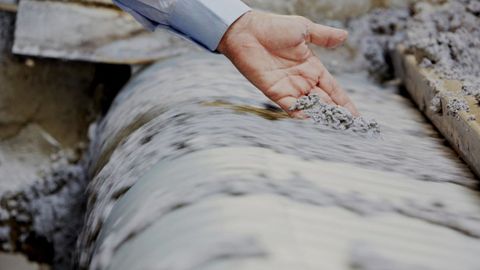
The main goal is to produce a “cake” with higher solid content while minimizing the volume of liquid that needs further treatment. The separated liquid, known as filtrate or centrate, is usually returned to the treatment system.
Benefits of Sludge Dewatering
1. Volume Reduction
Dewatering significantly reduces sludge volume, making storage and transportation more efficient.
2. Lower Disposal Costs
Less water content means lower costs for hauling and disposal.
3. Improved Handling
Dewatered sludge is easier to handle, store, and process further.
4. Environmental Management
Helps reduce the environmental impact of sludge disposal and supports regulatory compliance.
5. Resource Recovery Potential
In some cases, dewatered sludge can be reused in agriculture or energy production.
Limitations to Consider
- Incomplete water removal: Dewatering cannot eliminate all moisture; some water remains bound within solids.
- Energy and chemical use: Some systems require energy or chemical conditioning.
- Operational complexity: Advanced systems may need skilled operation and monitoring.
- Maintenance requirements: Equipment such as presses and centrifuges require regular servicing.
Understanding these limitations helps in selecting the most appropriate technology.
Main Methods of Sludge Dewatering
Sludge dewatering methods can be broadly categorized into mechanical, natural, and advanced systems.
1. Mechanical Dewatering Methods
These are the most widely used in modern treatment plants.
a. Centrifugation
Uses high-speed rotation to separate solids and liquids based on density differences.
Key Points:
- Fast and efficient
- Suitable for large-scale operations
- Requires energy input
b. Belt Filter Press
Sludge is passed between moving belts and squeezed to remove water.
Key Points:
- Continuous operation
- Moderate energy use
- Requires polymer conditioning
c. Plate and Frame Filter Press
Applies high pressure to sludge trapped between plates.
Key Points:
- Produces high solid content cake
- Batch operation
- Higher maintenance
d. Screw Press
Uses a rotating screw to gradually compress sludge and remove water.
Key Points:
- Compact design
- Low energy consumption
- Suitable for small to medium facilities
2. Natural Dewatering Methods
a. Drying Beds
Sludge is spread over sand beds and left to dry naturally through evaporation and drainage.
Key Points:
- Low cost
- Simple operation
- Requires large land area and time
b. Lagoons
Large ponds where sludge settles and dries over time.
Key Points:
- Minimal equipment
- Long processing time
- Weather-dependent
3. Advanced and Emerging Technologies
a. Geotextile Tubes
Sludge is pumped into permeable fabric tubes where water drains out.
b. Thermal Drying
Uses heat to evaporate water and produce very dry solids.
c. Electro-dewatering
Applies electrical fields to enhance water removal.
These technologies are often used where higher efficiency or space constraints are important.
Comparison Table: Common Dewatering Methods
| Method | Efficiency | Cost Level | Space Requirement | Operation Type | Best Use Case |
|---|---|---|---|---|---|
| Centrifuge | High | High | Low | Continuous | Large facilities |
| Belt Filter Press | Medium | Medium | Medium | Continuous | Municipal plants |
| Plate Filter Press | High | High | Medium | Batch | High dryness requirement |
| Screw Press | Medium | Medium | Low | Continuous | Small to mid-scale plants |
| Drying Beds | Low | Low | High | Passive | Rural or low-budget settings |
| Lagoons | Low | Low | Very High | Passive | Long-term storage |
Key Features to Consider
When selecting sludge dewatering equipment, consider the following factors:
1. Sludge Type
Different sludges (municipal, industrial, biological) behave differently.
2. Desired Dryness Level
Higher dryness may require advanced or high-pressure systems.
3. Throughput Capacity
Ensure the system can handle the required volume.
4. Energy Consumption
Evaluate operational costs over time.
5. Footprint
Available space can influence technology choice.
6. Automation Level
Automated systems reduce manual effort but may increase complexity.
7. Chemical Requirements
Some methods need polymers or conditioning agents.
Latest Trends and Innovations
1. Energy-Efficient Designs
Modern systems aim to reduce power consumption while maintaining performance.
2. Automation and Monitoring
Integration with digital controls allows real-time monitoring and optimization.
3. Hybrid Systems
Combining mechanical and thermal processes for better results.
4. Reduced Chemical Usage
Improved designs minimize reliance on chemical additives.
5. Compact Equipment
Newer machines are designed to fit into smaller treatment facilities.
Top Companies and Solutions
Several established companies provide sludge dewatering technologies across different industries:
- Veolia Water Technologies – Offers a range of dewatering and drying solutions
- SUEZ Water Technologies & Solutions – Provides equipment and integrated systems
- ANDRITZ – Known for centrifuges and belt presses
- Alfa Laval – Specializes in decanter centrifuges
- HUBER Technology – Offers screw presses and sludge treatment systems
When evaluating solutions, it is useful to compare capacity, energy use, and compatibility with your sludge type.
How to Choose the Right Dewatering Method
Step-by-Step Checklist
- Identify sludge characteristics and volume
- Define target dryness level
- Assess available space and infrastructure
- Determine budget and operating costs
- Consider environmental and regulatory requirements
- Evaluate ease of operation and maintenance
Quick Selection Guide
- Small or rural setups: Drying beds or lagoons
- Medium municipal plants: Belt filter press or screw press
- Large industrial facilities: Centrifuge or filter press
- High dryness requirements: Plate filter press or thermal drying
Tips for Best Use and Maintenance
Operational Tips
- Pre-condition sludge properly to improve efficiency
- Monitor flow rates and pressure regularly
- Avoid overloading the system
- Adjust settings based on sludge characteristics
Maintenance Tips
- Clean equipment regularly to prevent clogging
- Inspect moving parts and seals
- Replace worn components promptly
- Maintain proper lubrication where required
Frequently Asked Questions (FAQs)
1. Why is sludge dewatering important?
It reduces volume, lowers costs, and improves handling and disposal.
2. Can all sludge be dewatered the same way?
No, different sludge types require different methods and equipment.
3. What is the typical dryness level achieved?
Depending on the method, solids content can range from 15% to over 40%.
4. Are chemicals always required?
Not always, but many systems use polymers to improve separation efficiency.
5. Is sludge dewatering environmentally friendly?
Yes, when managed properly, it reduces waste and supports resource recovery.
6. How often should equipment be maintained?
Regular inspection and cleaning are recommended, with schedules depending on usage.
Conclusion
Sludge dewatering is an essential component of modern wastewater treatment, helping transform wet sludge into a more manageable and environmentally responsible form. By reducing water content, it improves efficiency, lowers costs, and supports sustainable waste management practices.
Different methods—from simple drying beds to advanced centrifuges—offer varying levels of performance, cost, and complexity. The right choice depends on factors such as sludge type, required dryness, available space, and operational capacity.
A clear understanding of available technologies and careful selection based on specific needs can help ensure effective and reliable sludge management.